A safe is only as private as its combination. The door can be half a ton of steel, but if a former employee, a past owner, or an ex still knows the numbers, the steel is not doing its job. We change safe combinations across San Diego, on mechanical dials and electronic keypads alike, and most jobs are finished in a single visit.
The work covers home fire safes, gun safes, floor safes, depository safes, and office money chests. Brands like Liberty, AMSEC, SentrySafe, Gardall, Cannon, and Fort Knox nearly all rely on a handful of lock types underneath, most often Sargent and Greenleaf (S&G), LaGard, or SecuRam. We work on all of them, whether the safe sits in a Hillcrest closet or behind a counter in Kearny Mesa.
Hours are Mon to Sat, 7am to 7pm. Every combination change starts with ID and proof of ownership, no exceptions. Call (619) 493-3195, describe the safe and the lock on it, and you will get a straight answer on price before anything is scheduled.
When You Should Change a Safe Combination
Some triggers are obvious. Others get put off for years. If any of these apply, the combination should change this week, not eventually:
- You bought a house with a safe in it. The seller, the seller's relatives, the agent, and past house guests may all have the numbers. Treat an inherited combination as public knowledge.
- Estate settlement. When a safe passes to a new owner, the old code should pass out of circulation with the old paperwork.
- Divorce or separation. If the contents are now yours alone, the combination should be too.
- Employee turnover. Any time someone who knew the code leaves a business, even on the best of terms.
- The code got shared too widely. The neighbor who watched the house, the contractor who needed the garage, the kid who told a friend. Codes leak in small, harmless steps.
- Annual hygiene for businesses. Shops and offices that handle cash should rotate codes on a schedule, not only after something goes wrong.
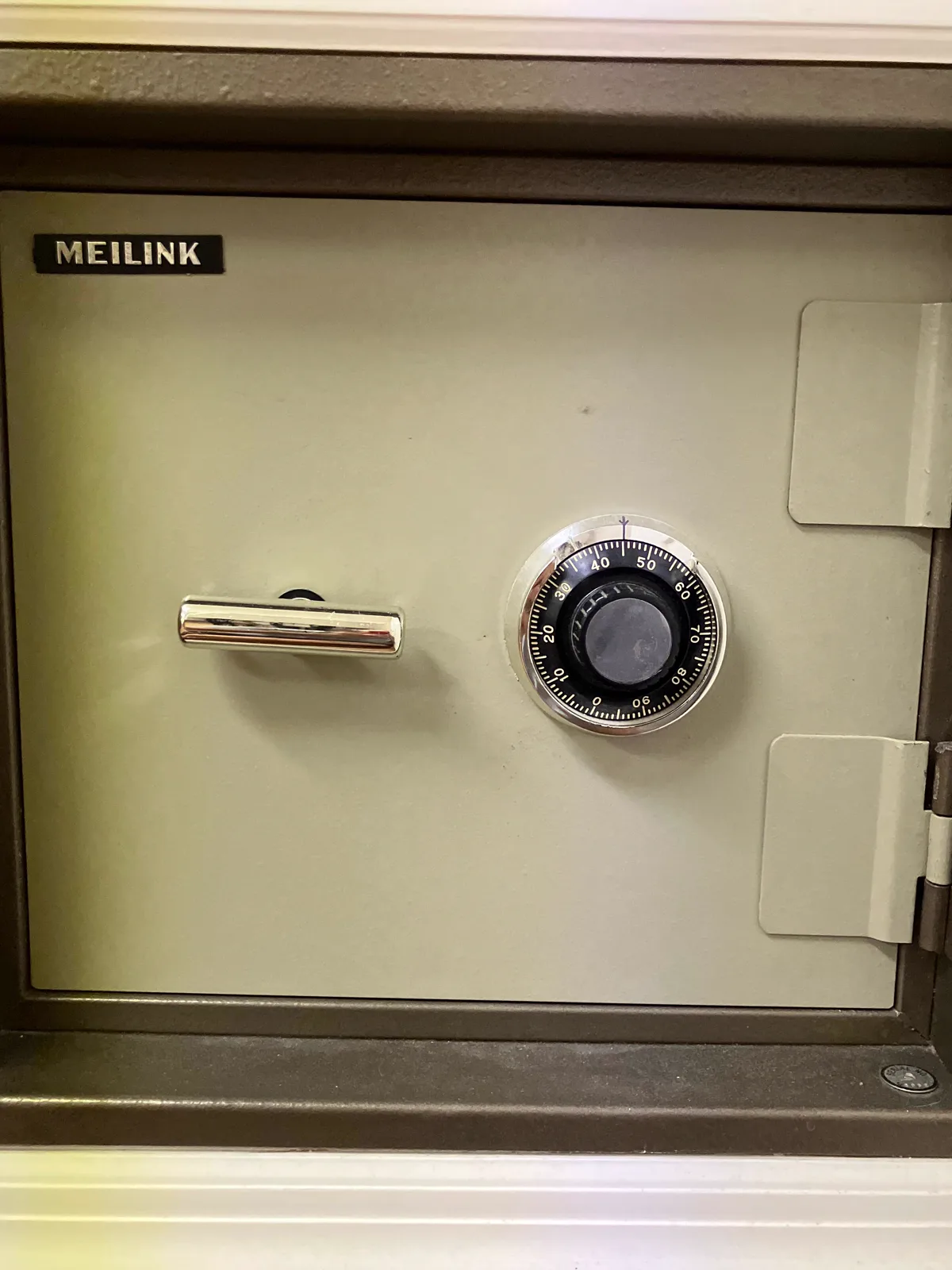
How a Mechanical Dial Change Works
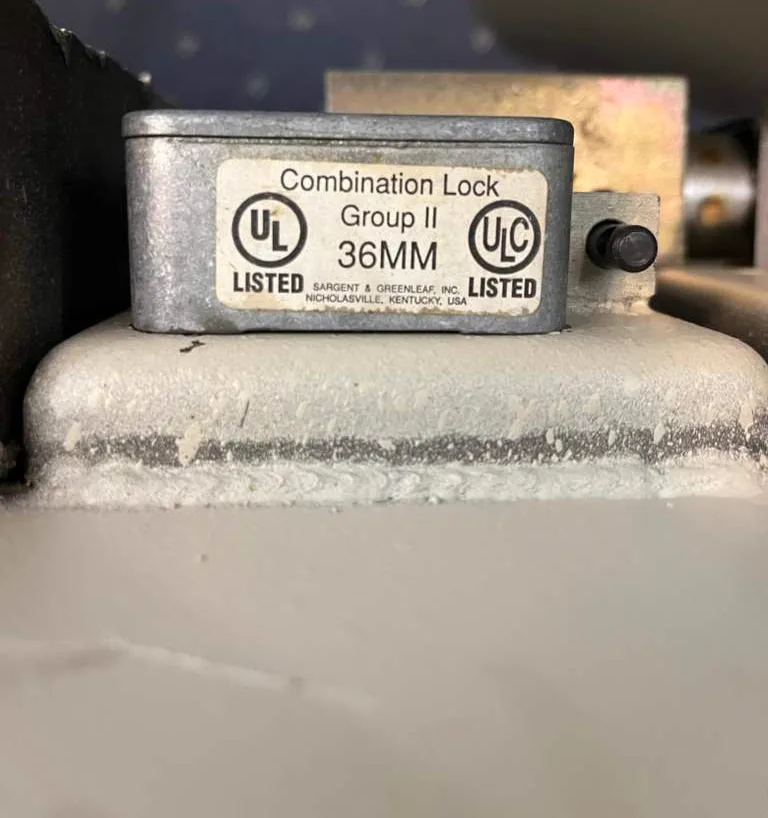
Most three-wheel dial locks, including the S&G and LaGard units on the majority of American-made safes, are recombinated with a change key. With the door open, the current combination is dialed to a special mark, the change key turns in the back of the lock, and each wheel is set to its new number. Then the new combination gets dialed and proven several times before the door ever closes.
While the lock cover is off, we inspect the wheel pack, fence, and drive cam. A dial that has been spun daily for twenty years often shows wear that makes it drift a number or hang up on one wheel. Catching that during a combination change is far cheaper than a lockout later, and if parts are tired, safe repair can usually happen in the same visit.
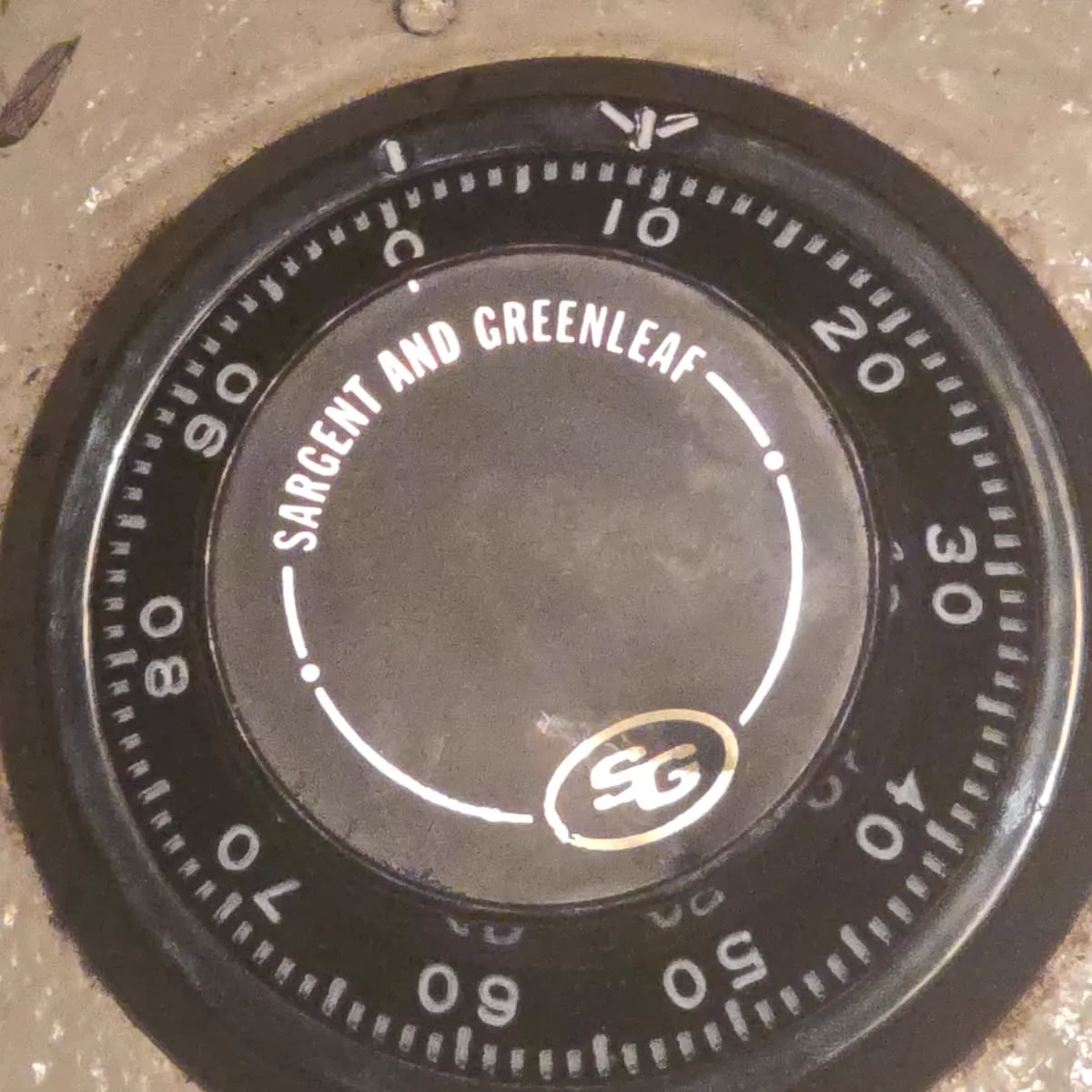
The door stays open until the new combination is proven. On every job the new numbers get dialed at least three times, working, before the door closes. Follow the same rule if you ever change an electronic code yourself. Many self-inflicted lockouts start with a code changed on a closed door.
Electronic Locks: Code Changes, Resets, and Replacements
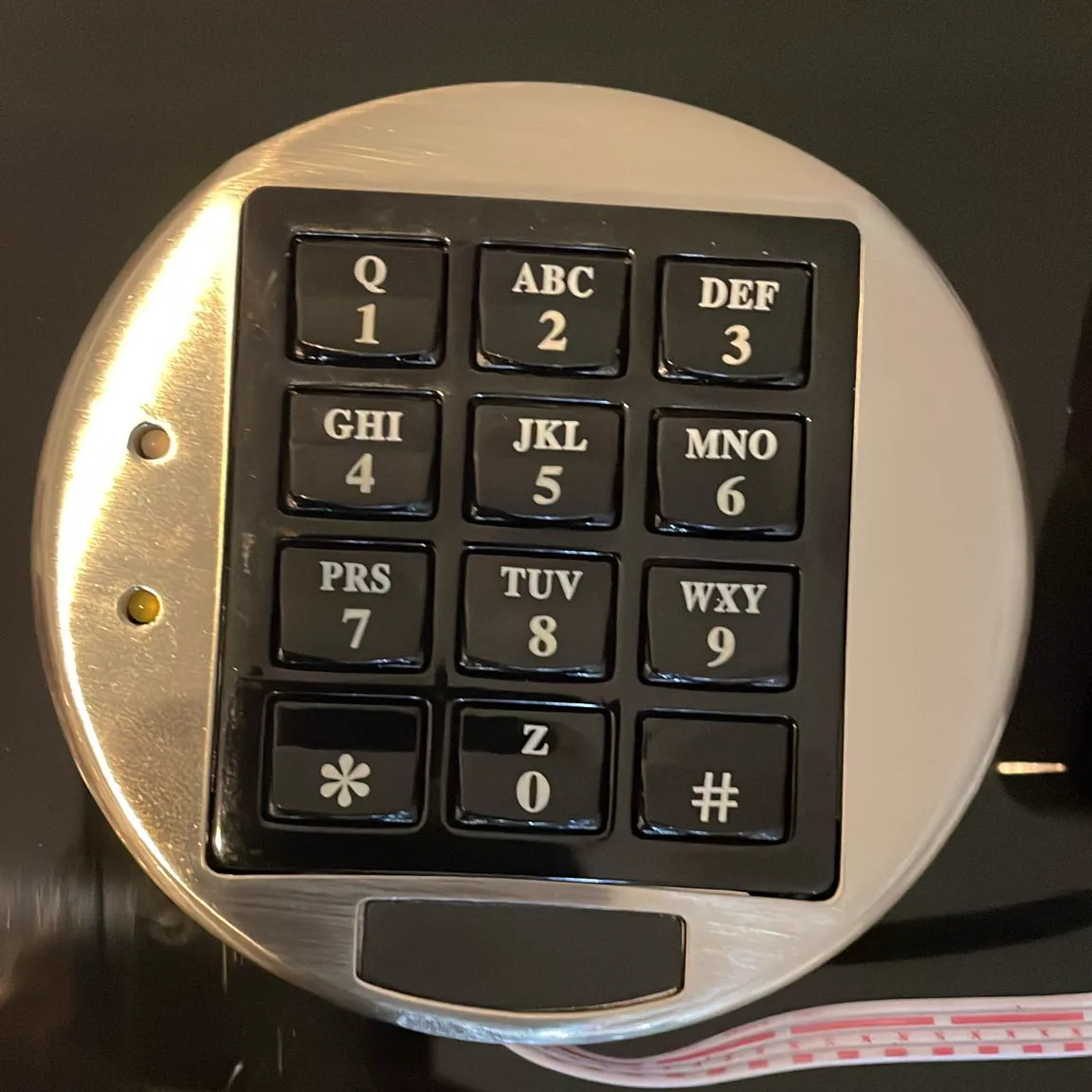
Electronic locks are friendlier to owners. If you know the current code, most SecuRam, LaGard, and S&G keypads let you program a new one from the keypad in under a minute, and we will gladly walk you through your model's procedure rather than charge for a trip. We also add and delete user codes on multi-user locks and set up manager and employee levels the right way.
If the current code is unknown, there is no legitimate shortcut. The safe gets opened first, then the lock is reset through the open door or replaced outright. Replacement is often the smarter move on keypads more than about ten years old, since worn keypad ribbons and failing solenoids cause a large share of electronic lockouts. This is also the natural moment for a safe lock upgrade, swapping a slow dial for an electronic lock, or a basic keypad for one with multiple users and an audit trail. Gun safe owners do this constantly, and the gun safe service page covers those swaps in more detail.
Don't Know the Current Combination? Start There
A combination change assumes the safe is open or can be opened. If yours is locked and the numbers are lost, the first step is a professional safe opening.
On many mechanical locks we can decode the existing combination non-destructively, so the safe opens without drilling and the recombination happens right after. Electronic locks cannot be read that way, but they can usually be opened cleanly and fitted with a new lock the same day.
Either way, have ID ready plus something tying you to the safe, a receipt, estate paperwork, or proof of residence at the address. If you are staring at a sealed door right now, the page on being locked out of your safe lists the owner-level checks worth trying before you call.
What a Safe Combination Change Costs in San Diego
Every job is quoted by phone before work starts, but these ranges cover the bulk of what we see:
| Service | Typical range |
|---|---|
| Electronic code change or reprogramming, code known | $75 to $150 |
| Mechanical dial recombination | $95 to $195 |
| Electronic lock replacement, parts and labor | $250 to $450 |
| Dial-to-electronic lock upgrade | $300 to $550 |
These are typical ranges, not quotes. Heavy commercial units, high-security locks, and safes that need opening first run higher, and the exact price is always confirmed by phone before any work begins.
Picking a Combination That Will Not Bite You
A good combination is easy for you to dial and hard for anyone else to guess, and a few habits keep it that way.
- Skip birthdays, anniversaries, street addresses, and phone digits. Anyone close enough to want in already knows them.
- Avoid repeats and simple runs. If a stranger could guess it in three tries, it is not a combination, it is a formality.
- On dial locks, we set numbers with proper spacing between wheels so the lock dials smoothly and holds its accuracy.
- Write the combination down once and store the record away from the safe. A bank box or a sealed envelope with your attorney beats a sticky note in the desk drawer.
- Never store an override key inside the safe it opens.
For Businesses: Dual Custody, Audit Trails, Code Discipline
Cash-handling businesses need more than one shared code taped inside a register. Modern electronic locks support dual custody, where two codes are required to open, plus time delay and audit trails that log which user opened the safe and when.
That turns "who left it open Saturday night" from an argument into a report. We install and program these locks as part of our commercial safe work, and handle scheduled code rotations for shops from Carlsbad down to Chula Vista.
If you are writing a policy, a simple one holds up: rotate codes every quarter and immediately on any staff departure, give each keyholder their own user code, and keep the master code with the owner only. As a safe-specialist locksmith covering all of San Diego County, we can put multiple locations on one rotation schedule so it actually gets done instead of talked about. The same discipline applies to large households with staff, and combination changes after a housekeeper or property manager departs are routine work in estate communities like Rancho Santa Fe.