A safe that will not open feels like a disaster. Usually, it is not. Most lockout calls we take across San Diego come down to one of three things: a dead battery, a penalty timer the owner did not know existed, or a combination dialed almost right. All three cost nothing to fix.
This guide walks you through the same checks a safe technician runs in the first five minutes of a service call. Work through them in order, none can hurt your safe. If the door still will not budge at the end, the later sections cover what a professional opening involves, what it typically costs, and what we need from you first.
One rule before you start. Do not force anything. A stubborn safe is a cheap job. A safe that has been pried, hammered, or half-drilled by its owner is not.
Check the Batteries First, Even If the Keypad Lights Up
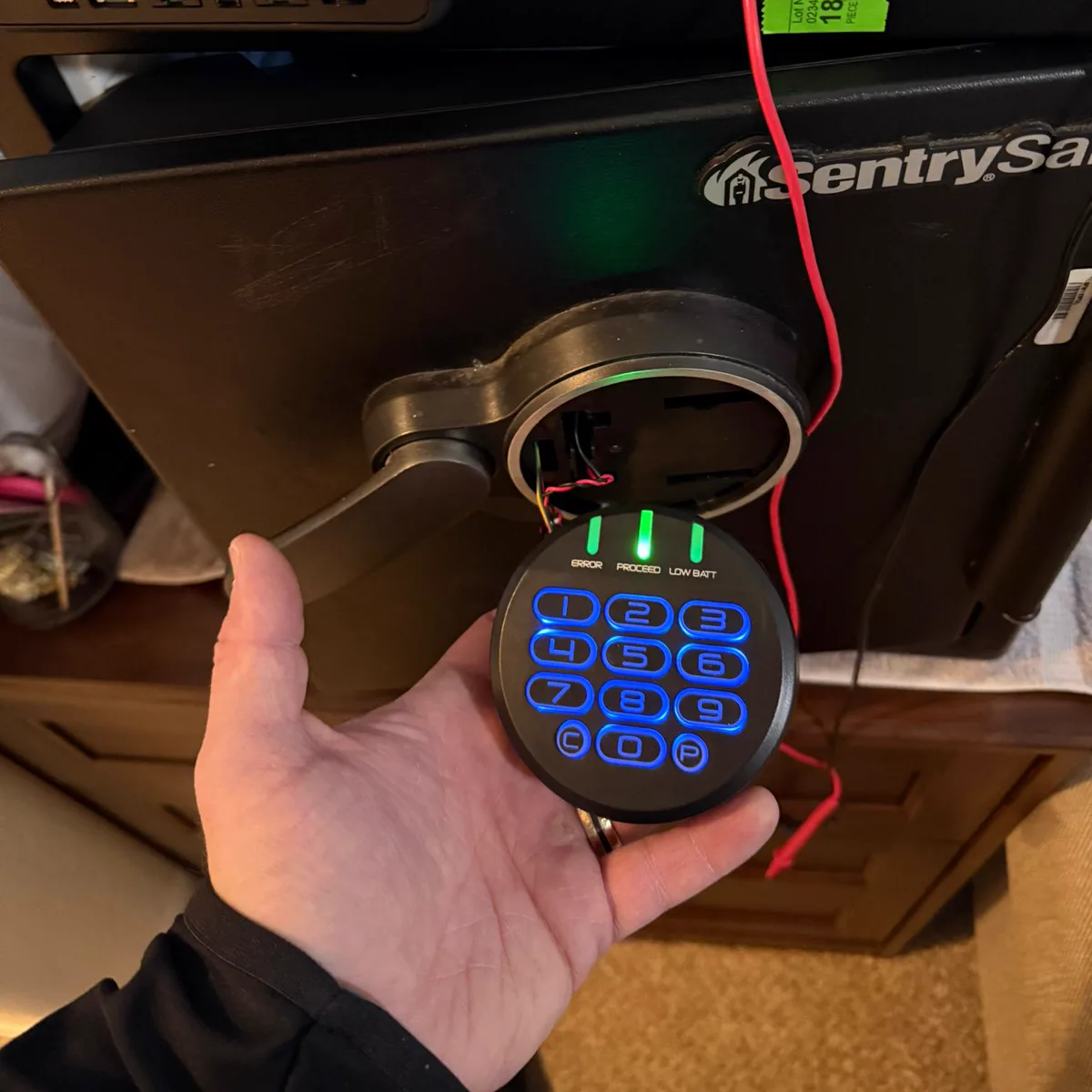
A weak battery is the single most common cause of a safe lockout, and it fools people because the keypad still seems alive. A keypad can beep, light up, and accept your code on a battery too weak to pull the lock bolt back. The motor or solenoid inside the lock needs full voltage, and it starves first.
Find the battery compartment. On most home safes it sits behind or under the keypad face, which slides up or pops off by hand. Fit fresh, name-brand batteries, Duracell or Energizer, not the loose ones rolling around a drawer. Off-brand and half-used cells read fine on a tester and still fail under load. Seat them firmly, check the contacts for white or green corrosion, and wipe them clean with a dry cloth if you see any. Then enter the code you know once, slowly.
Wait Out the Penalty Lockout
Most electronic safe locks punish wrong entries. After several bad codes, usually three to five, the lock ignores everything for a set period. Some models beep every few seconds during the penalty. Others go silent, which convinces owners the lock has died. It has not. It is sulking on a timer.
The fix is patience. Set a 20-minute timer on your phone and do not touch the keypad at all, because on many locks a button press during the penalty restarts the clock. When the timer runs out, make one slow, deliberate entry of the code you are sure of. If that fails, move on to the next check.
Find the Override Key You Forgot You Had
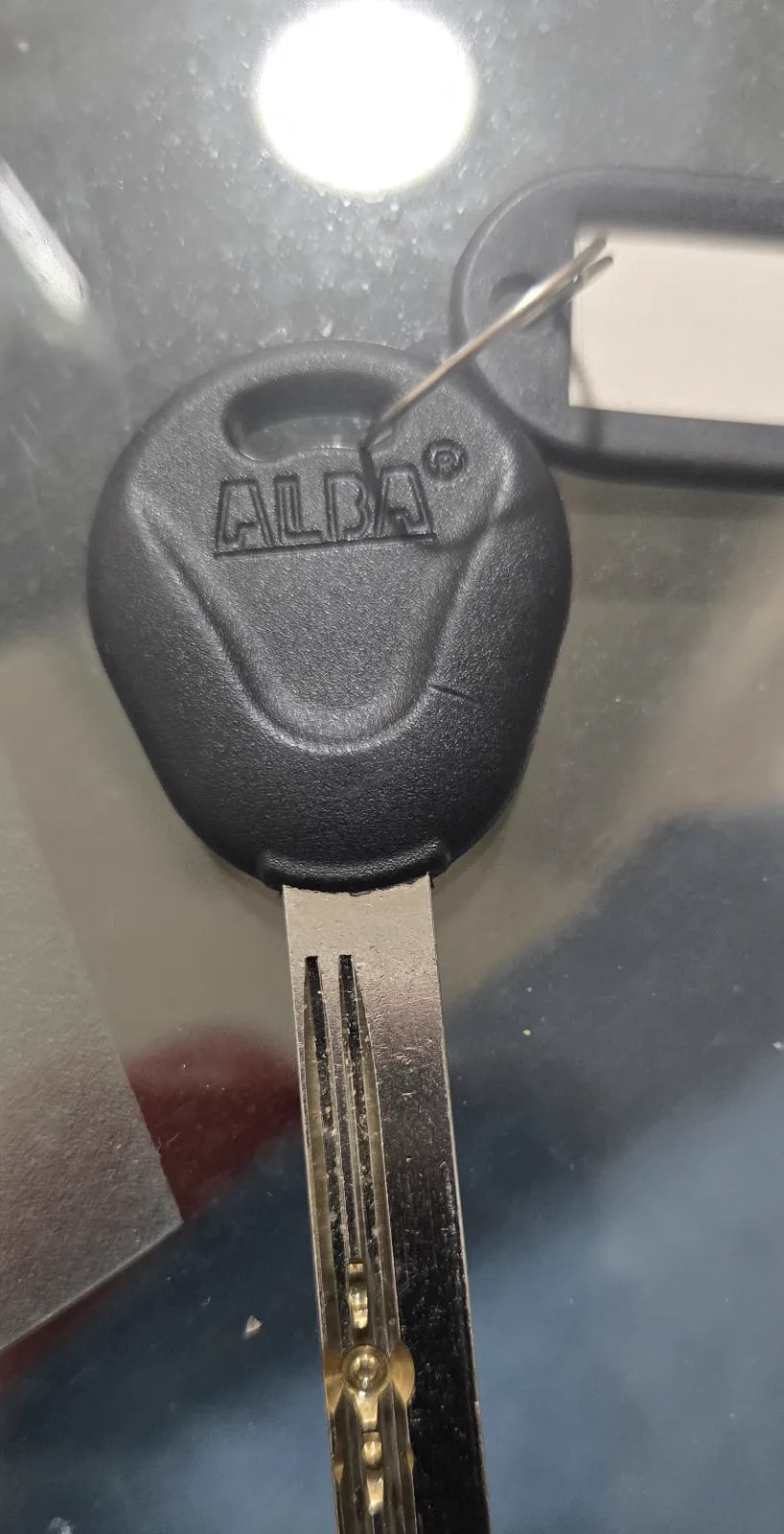
Many home safes, especially budget and mid-range electronic models, shipped with a small override key. Most owners put it somewhere safe on day one and never think about it again. It is usually a chrome tubular key or a flat key cut on both edges, often still wearing a paper tag.
Look in the places people actually put them: the file or drawer where the manual and receipt live, the original cardboard box in the garage, taped inside the manual itself, the kitchen junk drawer, and the key ring with your spare car keys. The manual shows where the keyway sits on your model. Find the key and you are done. If it is long gone, keep moving down the list.
Mechanical Checks: Dial It Right, Then Push the Door
Two mechanical checks come next, one for dial safes and one for any safe with a packed interior.
Dial Safes: Follow the Factory Sequence Exactly
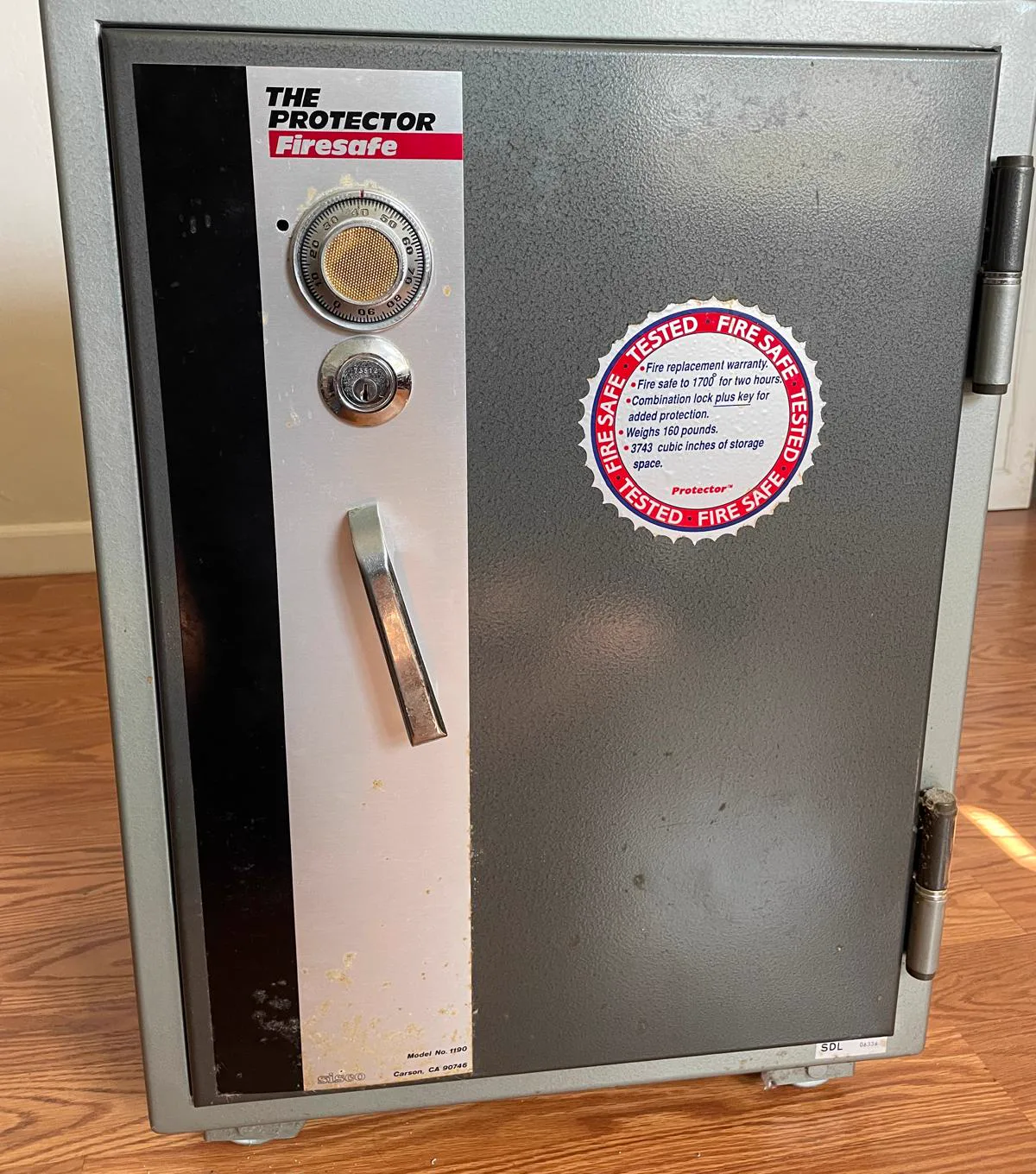
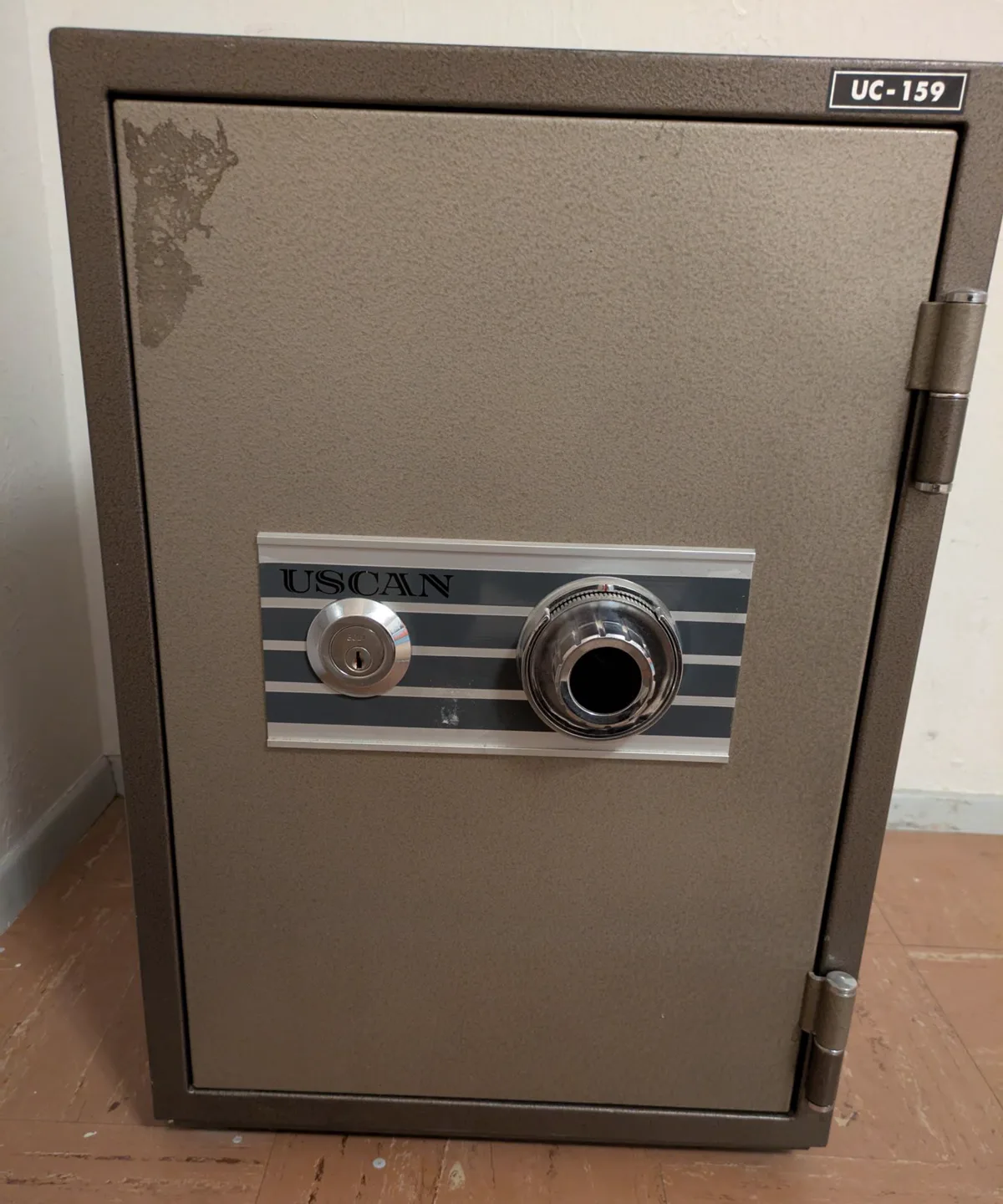
Combination dials are unforgiving about procedure. Most three-number locks want multiple full turns in one direction before settling on the first number, then a reversed direction with fewer turns for the second, and so on, exactly as the card or manual for your model describes. The sequence varies by maker, so dig out your instructions rather than working from memory.
Dial slowly. Land on each number dead-on, not a hair past it. If you overshoot a number, do not back up, start the whole sequence again from the beginning. A surprising number of "broken" dial safes open on the third careful attempt when the owner stops rushing.
Press the Door While You Work
Safes get packed tight. A rifle case or document box shifted against the inside of the door puts side pressure on the bolts, and a bound bolt will not retract no matter how correct your code is. Press firmly on the door, near the handle, while you enter the code or turn the dial, then try again while pulling the door toward you. Hold steady pressure a few seconds each way. This check rescues a lot of gun safes.
What Not to Do
Too often, someone turns a cheap opening into an expensive one before calling. Skip all of the following:
- No pry bars. Prying bends the door and boltwork, and a bent boltwork job costs far more than a clean opening.
- No hammering the dial or keypad. A struck dial can shear the spindle and set off the relocker, and once a relocker fires, even the correct combination will not open the safe.
- No DIY drilling. Safe doors carry hardened plates and relock devices designed to defeat exactly this. A hardware-store bit in the wrong spot creates hours of extra work.
- No YouTube stethoscope theatrics. Manipulation is a real skill on some locks, but the movie version mostly produces scratched dials and wasted afternoons.
The cheapest safe to open is an undamaged one. If the free checks above have not worked, stop there. An untouched safe usually opens quickly and goes straight back into service. A mangled one becomes a repair project.
Still Locked Out of Your Safe? Here Is What Happens Next
Call and describe the safe: brand, lock type, what happened. Plenty of callers get sorted on the phone at no charge, with a check they missed or a clear diagnosis. If a visit makes sense, we can usually get there same-day or next-day anywhere in the county.
On site, we start with the least invasive option and escalate only as needed, including manipulation on many mechanical dial locks. When drilling is the right answer, it is one small, precisely placed hole that gets repaired and concealed afterward, with the safe back in working order, typically the same visit. Our professional safe opening service page walks through the whole process in detail. Afterward, most owners have us set a fresh combination or swap a tired keypad while the door is open.
| Situation | Typical range |
|---|---|
| Phone triage and owner checks | Free |
| Battery, keypad, or minor service visit | $90 to $160 |
| Standard home safe opening, electronic lock | $180 to $350 |
| Dial safe opening, manipulation attempted first | $200 to $450 |
| Opening plus drill repair and new lock | $350 to $700 |
These are typical ranges, not quotes. The exact price is confirmed by phone before any work starts, so there are no surprises at the door.
We verify ownership before every opening. Bring photo ID plus proof the safe is yours: a receipt, the manual with your paperwork, estate documents, or a letter from a landlord or executor. No exceptions. Honest owners are never bothered by the question.
Brand Notes: What Lockouts Look Like by Maker
SentrySafe. We take more SentrySafe lockout calls than any other brand, because there are more of them in San Diego closets than anything else. The usual pattern is a dead battery, and on many models the batteries sit in a tray right on the keypad, so a fresh set is a two-minute fix. Most electronic models also shipped with a small override key, and most owners lost it years ago.
Liberty. Liberty safes generally carry commercial-grade locks from makers like S&G and SecuRam. Low battery usually announces itself with warning beeps when the keypad wakes, and penalty lockouts after wrong codes are standard. The battery lives in the keypad housing outside the door, so a swap never needs the safe open.
Cannon. Cannon electronic locks follow the familiar pattern: a 9V in or behind the keypad and a penalty timer after repeated wrong entries. If a fresh name-brand battery and a 20-minute wait change nothing, the keypad or lock body needs attention rather than more attempts.
Winchester. Winchester safes mostly ride on common electronic lock platforms, and dead-battery symptoms range from a dark keypad to a lock that beeps normally yet never releases. We also see mechanical-dial Winchesters, and those lockouts are almost always dialing-sequence errors, not failures.
Stack-On. Stack-On cabinets and safes sit at the budget end, and many models lean on an override key as the main backup, so the key hunt above matters most here. Keypad wear shows up on older units. If the safe takes your code and nothing happens, do not muscle the handle.
If yours is a gun safe of any brand, our gun safe locksmith page covers openings, lock swaps, and repairs in more depth.
At Sam The Safe Locksmith, we work safes and only safes, across all of San Diego County. Whether the stuck door is in a La Jolla home office or a garage out in El Cajon, the checklist above is where to start, and the phone is the next step. Reach us at (619) 493-3195, Monday through Saturday, 7am to 7pm. Run the free checks first. If the door still will not move, we will get it open the right way.